Battery Recycling Company Ascend Elements Declares Bankruptcy Amid Industry Challenges
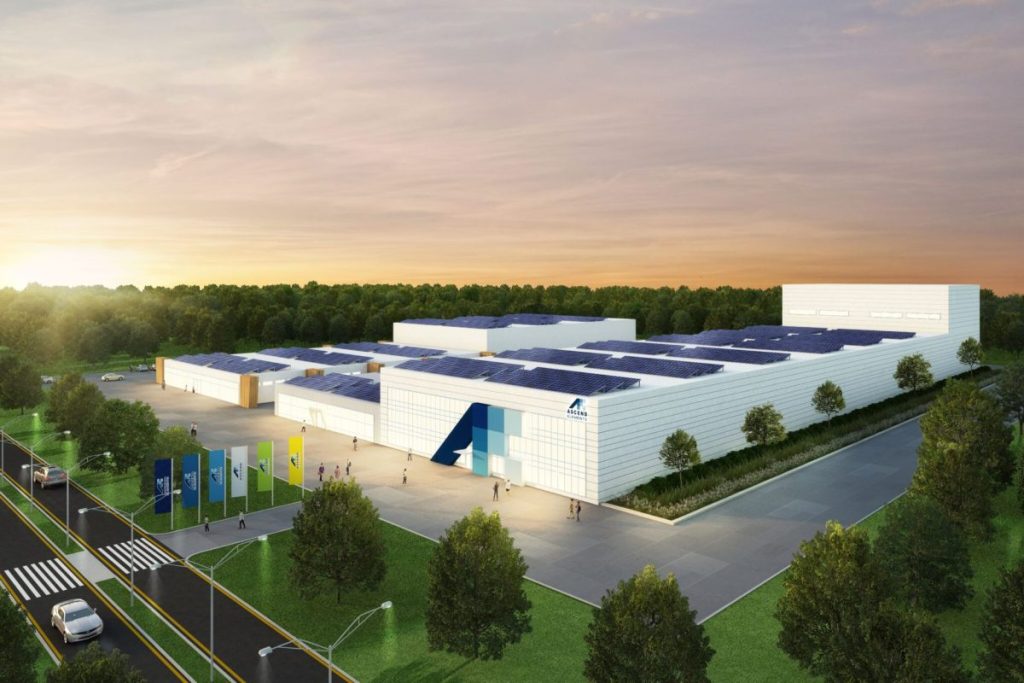
A major battery recycling firm has filed for Chapter 11 bankruptcy protection, marking a significant setback for the sustainable battery materials sector. The company, which had attracted nearly $900 million in investor funding, announced the decision following what executives described as overwhelming financial difficulties.
The bankruptcy filing represents a broader challenge facing the electric vehicle supply chain industry in the United States. Market conditions have deteriorated significantly, with reduced demand for electric vehicles creating ripple effects throughout the entire ecosystem of supporting businesses.
Government Funding Shortfall Compounds Problems
The situation was exacerbated when federal authorities canceled a substantial $316 million manufacturing grant that was intended to support construction of a major facility in Kentucky. While $204 million had already been distributed, the company struggled to secure additional capital to cover the remaining funding gap needed to complete the project.
This funding reversal came at a particularly challenging time for the electric vehicle market, which has experienced a notable slowdown following earlier periods of rapid growth. Industry analysts point to the expiration of federal tax incentives as a key factor, with many consumers having accelerated their vehicle purchases to take advantage of credits before they ended.
Automaker Retreat from Electric Vehicle Plans
The broader market challenges have prompted several major automotive manufacturers to scale back their electric vehicle initiatives. Recent announcements include decisions to halt production of electric models in favor of returning to traditional gasoline-powered vehicles, reflecting the current market uncertainty.
Volkswagen’s recent decision to cease production of its electric ID.4 model at its Tennessee manufacturing facility, choosing instead to focus on gas-powered SUV production, exemplifies this industry-wide shift in strategy.
Innovative Recycling Technology Faces Market Reality
The bankrupt company had developed proprietary technology for extracting valuable materials from used and discarded batteries. Their process was designed to streamline the transformation of battery waste into materials suitable for manufacturing new battery components, potentially reducing the environmental impact of battery production.
The firm had been constructing a massive one-million-square-foot manufacturing facility in Kentucky, though the project faced numerous legal challenges and construction delays that complicated the company’s financial position.
Industry-Wide Challenges for Battery Startups
The bankruptcy highlights the intense competitive pressures facing battery-related technology companies. The market for battery materials is dominated by demand from electric vehicle manufacturers, but these customers often have lengthy procurement cycles and frequently changing technical requirements.
International competition, particularly from Chinese manufacturers who benefit from substantial government support, has intensified price pressure across the industry. These established players have been able to achieve significant cost advantages that make it difficult for newer companies to compete effectively.
Alternative Strategies Emerge
Some competing recycling companies have adapted to market challenges by diversifying their business models. Rather than focusing solely on traditional recycling processes, these firms have begun repurposing battery packs for alternative applications, such as large-scale energy storage systems for data centers and electrical grid support.
The market for stationary energy storage has experienced rapid expansion, providing these companies with additional revenue streams while they continue developing their core recycling capabilities. This approach has allowed some firms to maintain financial stability during the current market downturn.