Addressing Common Concerns About Economic Predictions for 2026
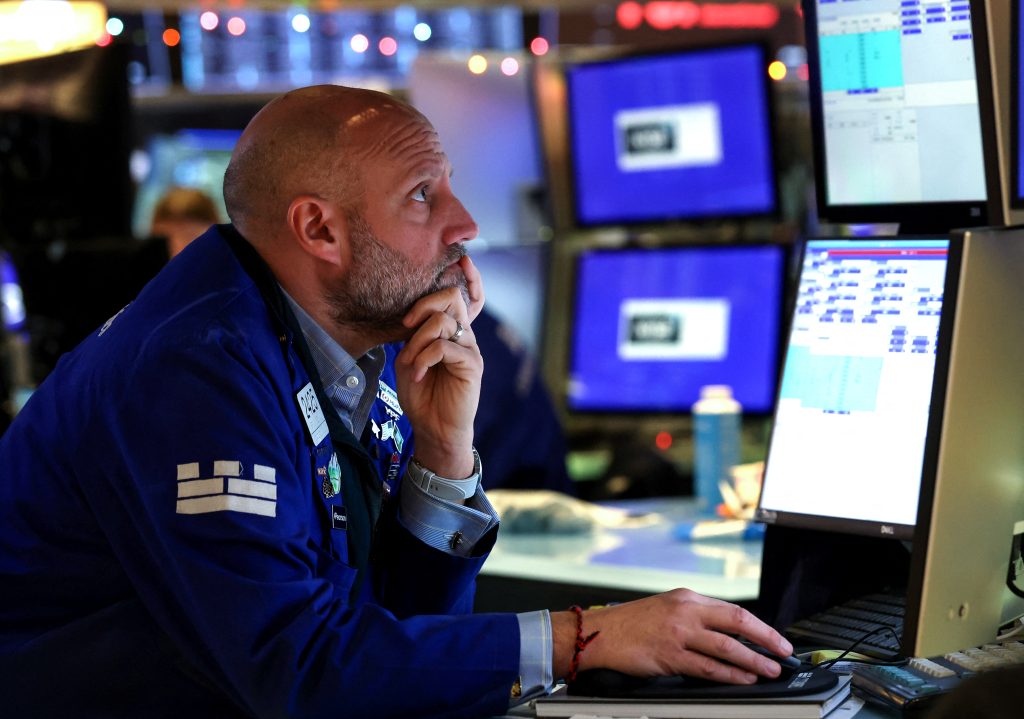
Financial markets continue to grapple with persistent uncertainty as investors express skepticism about optimistic economic projections. The ongoing atmosphere of doubt and hesitation requires careful examination and response to widespread concerns.
Market analysts frequently encounter resistance when presenting forward-looking assessments, particularly those extending into 2026. This skepticism manifests through various objections and counterarguments that deserve thoughtful consideration.
The investment community’s cautious stance reflects broader anxieties about economic stability and growth prospects. These concerns span multiple sectors and economic indicators, creating what many describe as a persistent climate of worry among market participants.
Rather than dismissing these apprehensions, financial experts recognize the importance of addressing each concern systematically. The process involves examining underlying assumptions, reviewing historical precedents, and providing evidence-based responses to common objections.
Economic forecasting inherently involves uncertainty, and acknowledging this reality while maintaining analytical rigor remains crucial for building investor confidence. The challenge lies in balancing optimism with realistic assessments of potential risks and opportunities.
Professional analysts must navigate between overly pessimistic projections that could unnecessarily alarm investors and unrealistically positive scenarios that fail to account for genuine economic challenges ahead.