Why Some Kitchens Feel More Comfortable to Cook In Than Others
Disclosure / Affiliate Notice:
As an Amazon Associate I earn from qualifying purchases. Some links in this article may be affiliate links that earn me a commission at no extra cost to you.
After spending years observing how different kitchens function—from cramped studio apartments to sprawling suburban homes—I’ve come to believe that kitchen efficiency has almost nothing to do with square footage or expensive appliances. The real difference lies in understanding how we actually move and think while cooking, something most people completely overlook when organizing their space.
The truth is, most home cooks are unknowingly sabotaging their own cooking experience through small, seemingly innocent decisions that accumulate into major workflow disruptions. We focus on aesthetics or storage capacity while ignoring the fundamental reality: cooking is a physical, sequential process that demands logical spatial relationships.
Why Movement Patterns Matter More Than You Think
Here’s what I’ve noticed after watching countless people struggle in their own kitchens: they treat cooking like a static activity when it’s actually a complex dance of interconnected movements. Every recipe, no matter how simple, requires a predictable sequence of actions that should flow naturally from one to the next.
The problem is that most kitchens evolve organically over time, with items finding homes based on available space rather than logical workflow. That beautiful spice rack mounted on the far wall might look Instagram-worthy, but if you’re constantly walking across the kitchen mid-sauté to grab oregano, you’ve prioritized appearance over function.
In my experience, the kitchens that feel most intuitive follow what I call the “task zone” principle. Everything needed for a specific cooking phase should be clustered together, creating invisible stations that support your natural movement patterns. This isn’t just about convenience—it’s about maintaining focus and rhythm while cooking.
The Counter Space Myth Most People Believe
Everyone knows clear counter space is important, but most people misunderstand why. It’s not just about having room to work—it’s about mental clarity and decision-making speed. When your workspace is cluttered, your brain has to constantly filter out visual noise, which creates subtle but persistent cognitive load.
What most people don’t realize is that countertop clutter affects cooking confidence. When you can’t quickly assess your available workspace, you unconsciously avoid more complex recipes or cooking techniques. You start choosing simpler meals not because you lack skill, but because your environment doesn’t support ambitious cooking.
I’ve seen this pattern repeatedly: people who claim they “don’t really cook” often have kitchens where every surface is occupied by appliances, decorative items, or random household objects. Clear those surfaces, and suddenly they’re attempting recipes they previously found intimidating.
Tool Accessibility: The Make-or-Break Factor
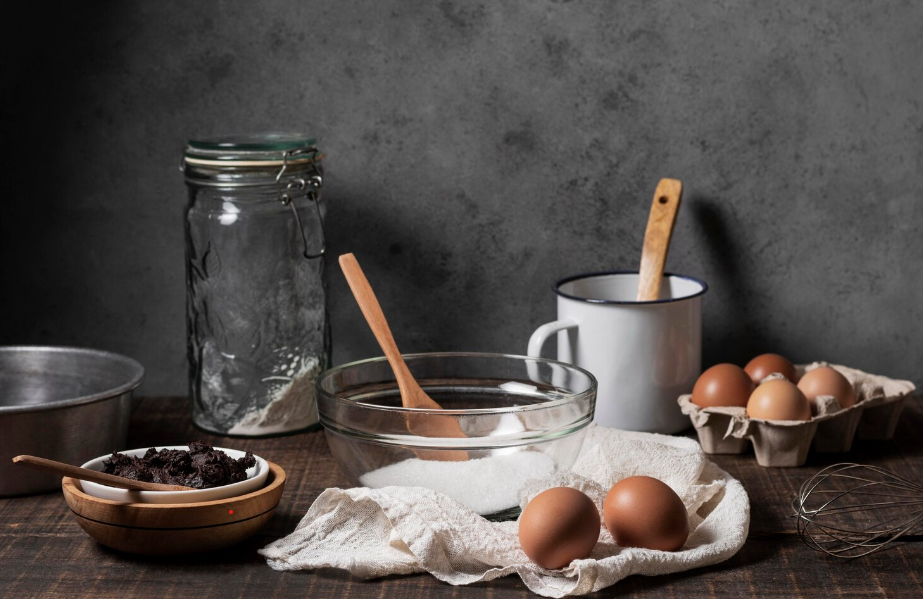
This is where most kitchen organization advice goes wrong. Everyone focuses on storage solutions—drawer dividers, cabinet organizers, fancy gadget holders—when the real issue is immediate accessibility during active cooking. When you’re stirring a sauce that’s about to burn, you don’t have time to open drawers and search through organized compartments.
The most functional kitchens I’ve encountered follow a simple rule: if you use something weekly, it should be visible and reachable without opening anything. This means your most essential tools should live in open containers or on magnetic strips, not buried in perfectly organized drawers.
Who benefits from this approach? Anyone who cooks regularly and wants to reduce the mental friction that makes cooking feel like work. Who can ignore this advice? People who cook rarely and prioritize kitchen aesthetics over functionality, or those with extremely limited counter space where storage compromises are unavoidable.
The Psychology of Visible Tools
There’s a psychological element here that most people miss. When your essential tools are visible, they serve as visual cues that encourage cooking. Hidden tools require you to remember what you own and where it’s stored—a cognitive burden that subtly discourages culinary experimentation.
Lighting: The Overlooked Game-Changer
Here’s something that drives me crazy: people spend thousands on kitchen renovations while ignoring one of the most impactful improvements possible. Poor lighting doesn’t just make cooking harder—it makes it less safe and less enjoyable.
Most kitchens rely entirely on overhead fixtures that create shadows exactly where you need to see clearly. This forces you to work around dark spots, crane your neck, or guess at doneness levels. It’s a perfect example of how small environmental factors compound into major frustrations.
What most people overlook is that good task lighting transforms not just visibility, but your entire relationship with cooking. When you can clearly see what you’re doing, you naturally become more precise, more confident, and more willing to try techniques that require visual assessment.
Storage That Actually Makes Sense
The storage industry has convinced us that organization means having a designated spot for everything, but that’s backwards thinking. Effective kitchen storage should mirror your actual cooking process, not some theoretical ideal of perfect categorization.
In my experience, the “store like with like” principle works better than any complex organizational system. Keep all your sautéing tools together, regardless of whether they’re technically different categories. Group baking ingredients even if it means splitting your spice collection. The goal is to support real cooking workflows, not to create a visually perfect pantry.
This approach particularly benefits home cooks who prepare meals regularly but don’t have unlimited time for elaborate organization systems. It won’t work for people who rarely cook or those who prefer aesthetic uniformity over practical efficiency.
Why Small Changes Beat Major Renovations
The renovation industry wants you to believe that kitchen problems require expensive solutions, but that’s rarely true. Most cooking frustrations stem from workflow issues that can be solved through thoughtful reorganization rather than structural changes.
What I find fascinating is how often people adapt to their kitchen’s limitations rather than addressing simple organizational problems. They’ll develop elaborate workarounds—like prepping everything in the dining room because their counter space is cluttered—instead of just clearing the counters.
The biggest impact usually comes from eliminating friction points: moving frequently used items closer to where they’re needed, creating dedicated prep space, and ensuring essential tools are immediately accessible. These changes cost almost nothing but can completely transform how cooking feels.
The Real Secret to Kitchen Efficiency
After years of observing what makes some kitchens feel effortless while others feel like obstacle courses, I’ve concluded that the best kitchens are designed around human behavior rather than storage capacity or visual appeal. They recognize that cooking is both a physical and mental process that requires environmental support.
The most successful kitchen improvements focus on reducing decision fatigue and movement inefficiencies. When your environment supports natural cooking rhythms, you spend less mental energy on logistics and more on the actual cooking process. This shift often leads to more adventurous cooking, better results, and genuine enjoyment of meal preparation.
Ultimately, a truly functional kitchen feels invisible—it supports your cooking process so seamlessly that you barely notice the space itself, only the food you’re creating.
For those ready to transform their cooking workflow, simple organizational tools can make a significant difference in kitchen efficiency. A well-designed utensil holder or storage solution can eliminate daily frustrations while supporting better cooking habits. A practical example can be found here:
As an Amazon Associate I earn from qualifying purchases.